PROJECT · 2018 — 2023
Scaling brand identity across 40+ touchpoints
Building a resilient identity system for a remote-first agency shipping e-commerce, dashboards, and campaigns at high cadence.
Role
Product & UI/UX Designer
Timeline
5 years · agency tenure
Team
Distributed creative + engineering pods
Stack
Figma, Adobe Suite, WordPress, WooCommerce
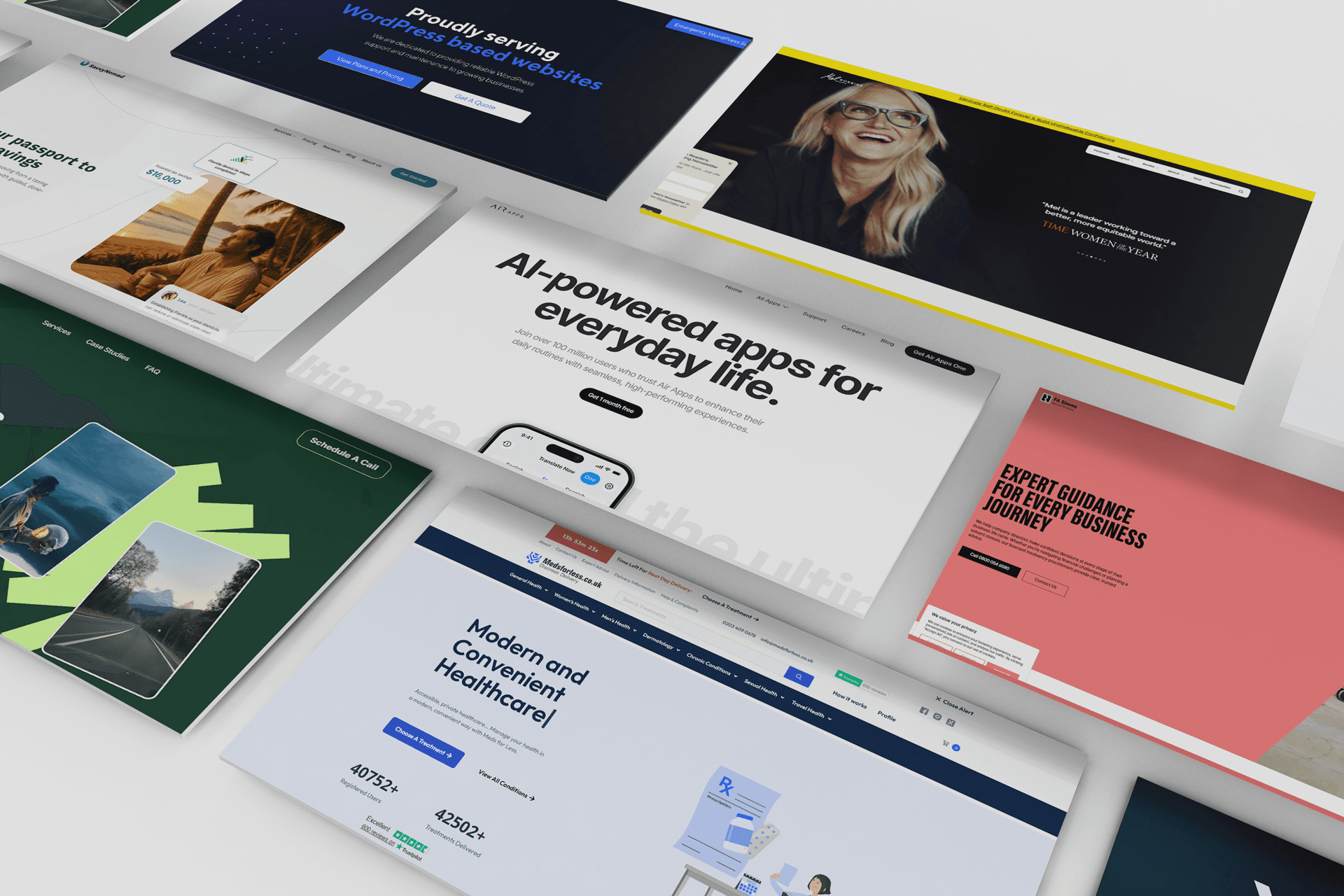
OOGLOO operated like a studio inside a product company: parallel client streams, tight deadlines, and constant context switching. My mandate was to keep brand quality high without becoming a bottleneck — which meant a system that designers could bend without breaking, and developers could implement without guesswork.
01 — THE PROBLEM
Identity drift across channels
Logos, color, and typography slowly diverged between social templates, decks, landing pages, and print collateral. Revision rounds stacked up because there was no single source of truth.
The business pain was margin: rework hours and slower approvals. The user pain was inconsistency — clients experienced different “versions” of the brand depending on where they met us.
02 — APPROACH
Systems thinking with agency realism
I audited the highest-traffic touchpoints first — not everything at once. I built a tiered token set: non-negotiables (logo, primary palette, type scales) and flexible modules for campaign art.
The trade-off was refusing a “big bang” rebrand. We phased updates so live campaigns could finish on old templates while new work consumed the system.
03 — DESIGN DECISIONS
Make the system usable, not encyclopedic
Decision 1: Fewer tokens, clearer rules
I rejected an oversized design language that nobody would read. Instead, I shipped a concise guideline site with downloadable assets and Figma libraries synced to naming conventions engineers already used in code.
Decision 2: Pair print and digital scales early
Print vendors had different color constraints than screens. I documented paper-safe palettes and minimum weights up front, which cut late-stage surprises on brochures and booth graphics.
04 — OUTCOME
What changed
40+
Touchpoints aligned
50%
Fewer revision rounds
250+
Projects shipped
1
Shared Figma library
05 — REFLECTION
What I learned
Systems survive when they respect how teams actually work. The win was not the deck — it was the cadence: fewer debates about spacing, more time spent on problems that mattered to users.